How Mockup Kids Dark T-shirt, Christmas Mock Elevates Seasonal Blog Design for Baby Amp Niches
First Impressions: A Festive, Lifestyle-Centric Design Asset
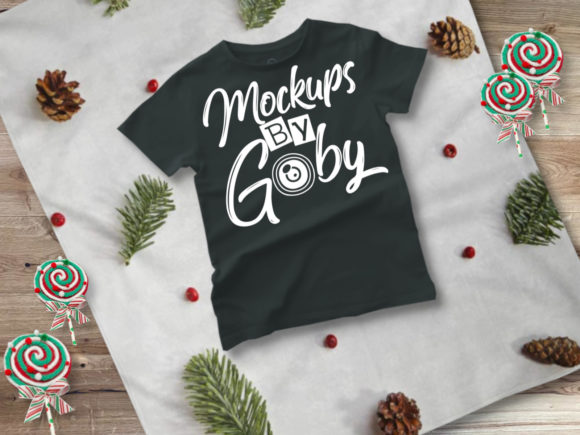
As a blog designer and digital publisher, the first thing I noticed about the Mockup Kids Dark T-shirt, Christmas Mock was its strong seasonal appeal. It immediately evokes a cozy, playful, and slightly nostalgic holiday vibe—perfect for content aimed at parents, baby product marketers, and family-focused niches. The mockup features a dark-toned children's t-shirt styled with a festive Christmas graphic, making it ideal for wintery content themes.
This design asset feels very lifestyle-oriented, with a touch of modern minimalism. It's not overly flashy, which makes it versatile for both editorial use and digital product design. It naturally supports niches like parenting blogs, baby gear affiliate marketing, holiday-themed newsletters, and seasonal content marketing campaigns.
Real Publishing Use Cases: From Pinterest to Printables
Let’s talk real workflow. I recently tested this mockup in a few live publishing scenarios:
- Featured images – Used as a background for a holiday gift guide article, it gave a soft, thematic context without overpowering the text.
- Pinterest pins – When overlaid with a bold headline and call-to-action, the mockup created a visually rich pin that stood out in a crowded feed.
- Newsletter headers – Paired with a clean sans-serif font, it brought warmth to a seasonal email campaign for a baby product affiliate site.
- Downloadable guides – As a cover image for a “Top 10 Christmas Outfits for Kids” digital guide, it helped establish a polished, branded feel.
- Canva templates – I embedded this mockup into a set of seasonal blog graphic templates, giving clients a ready-to-use visual asset that aligns with holiday branding.
It works especially well when you need a design that feels both festive and professional, which is often a tricky balance in seasonal content.
Supporting Content Performance with Visual Clarity
One of the biggest challenges in content marketing is making your visuals work as hard as your copy. The Mockup Kids Dark T-shirt, Christmas Mock supports content performance in several key ways:
- Stronger first impression – The festive tone grabs attention without being distracting.
- Clear visual hierarchy – Its dark background and centered graphic make it easy to layer text and calls-to-action.
- Higher click-through rates – Especially on Pinterest and social media previews, the mockup stands out as seasonally relevant.
- Consistent brand identity – If your niche is baby fashion or holiday-themed content, this mockup helps reinforce your visual identity across platforms.
- Better reader trust – Professionally designed visuals like this one make your content feel more polished and credible.
Where This Mockup Works Best
From my experience, this design asset shines brightest in the following publishing contexts:
- Hero images – Especially for holiday landing pages or gift guides.
- Article thumbnails – It adds visual context and seasonal flair to blog post listings.
- Pinterest pins – The high contrast and clear focal point make it ideal for repinning.
- Newsletter headers – Adds a personal, curated feel to seasonal emails.
- Content upgrades – Works well as a preview image for downloadable printables or guides.
- Social media posts – Perfect for Instagram Stories, Facebook posts, or Twitter headers during the holiday season.
When to Use It with Caution
Despite its strengths, this mockup isn't a one-size-fits-all solution. I found it less effective in the following scenarios:
- Small mobile thumbnails – Details like the Christmas graphic can get lost on tiny screens.
- Text-heavy blog images – The dark background works best with short, bold text—not long descriptions.
- Low-contrast layouts – If your site uses dark fonts or muted color schemes, readability may suffer.
- Busy editorial layouts – It can clash with complex background elements or layered design systems.
- Corporate or serious content – This mockup is best suited for lifestyle and seasonal niches, not professional or technical fields.
- Minimalist websites – If your brand leans into ultra-clean design, this may feel too decorative.
Publisher’s Notes: Practical Tips for Using This Graphic Design Asset
Before you drop this into your next blog post or digital guide, here are a few real-world tests I ran to ensure optimal performance:
- Test on desktop and mobile screens – Make sure the Christmas graphic remains visible and legible across devices.
- Preview as a thumbnail – Check if the mockup holds up when scaled down for blog cards or Pinterest pins.
- Try it in a live blog layout – I dropped it into a WordPress featured image block and tested different alignment options.
- Overlay with headline text – Used bold white text in Canva and Photoshop to see how readable it was over the dark t-shirt background.
- Check contrast and readability – Especially important if you're using this in affiliate content or lead magnets where clarity is key.
- Test with different fonts – It worked best with sans-serif and script fonts, but looked a bit off with more formal serif typefaces.
- Review file size – Make sure the image is compressed for fast loading without losing quality—especially for web headers and blog graphics.
- Confirm commercial licensing – Always double-check that the mockup is licensed for use on monetized sites or in paid digital products.
Final Thoughts: A Seasonal Staple for Baby Amp and Lifestyle Publishers
If you're a content creator, affiliate marketer, or small business owner working in niches like baby fashion, holiday gifting, or seasonal content marketing, the Mockup Kids Dark T-shirt, Christmas Mock is a solid addition to your visual toolkit. It brings warmth, clarity, and professionalism to your digital assets without sacrificing editorial quality.
Used thoughtfully, this graphic design asset can elevate your blog graphics, newsletter headers, and social media visuals—helping your content stand out during the busy holiday season. Just be mindful of where and how you use it, and always test it within your real publishing workflows before going live.